Occasionally the volunteer events we work need repeater coverage that is a little wider than what they normally have for coverage every day. The MS Twin Cities Ride fundraiser was one of those events. The route passes through some lower areas in the Mississippi river valley and the route outlines the Twin cities of St. Paul and Minneapolis.
Two different repeaters are involved in the event – one on 2M and one on 440. So the solution was to add a receive site temporarily just for the event.
The cross-band repeat function of a radio was used to bridge the input frequency of one repeater to the input frequency of the other. Both repeaters were connected together, so this extended the range of both repeaters with one node and allowed hams to use two bands.
When cross-band repeat is used, it’s still necessary to ID with the necessary callsign according to FCC rules. The Kenwood dual band radios have this feature built in, but many of the other brands do not. Since my radio was a Yaesu, I had to find another external solution. I had a Microfox 15S Fox Hunt transmitter already for other purposes, so I decided to try using that.
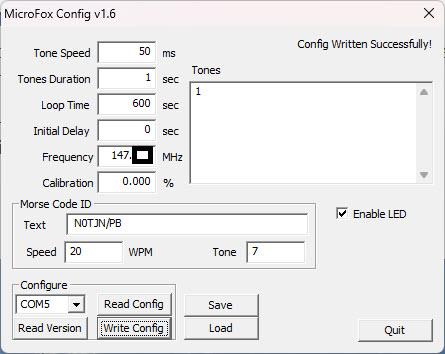
Programming it with the following options allows it to just ID the link every 10 minutes. This gets picked up and retransmitted.
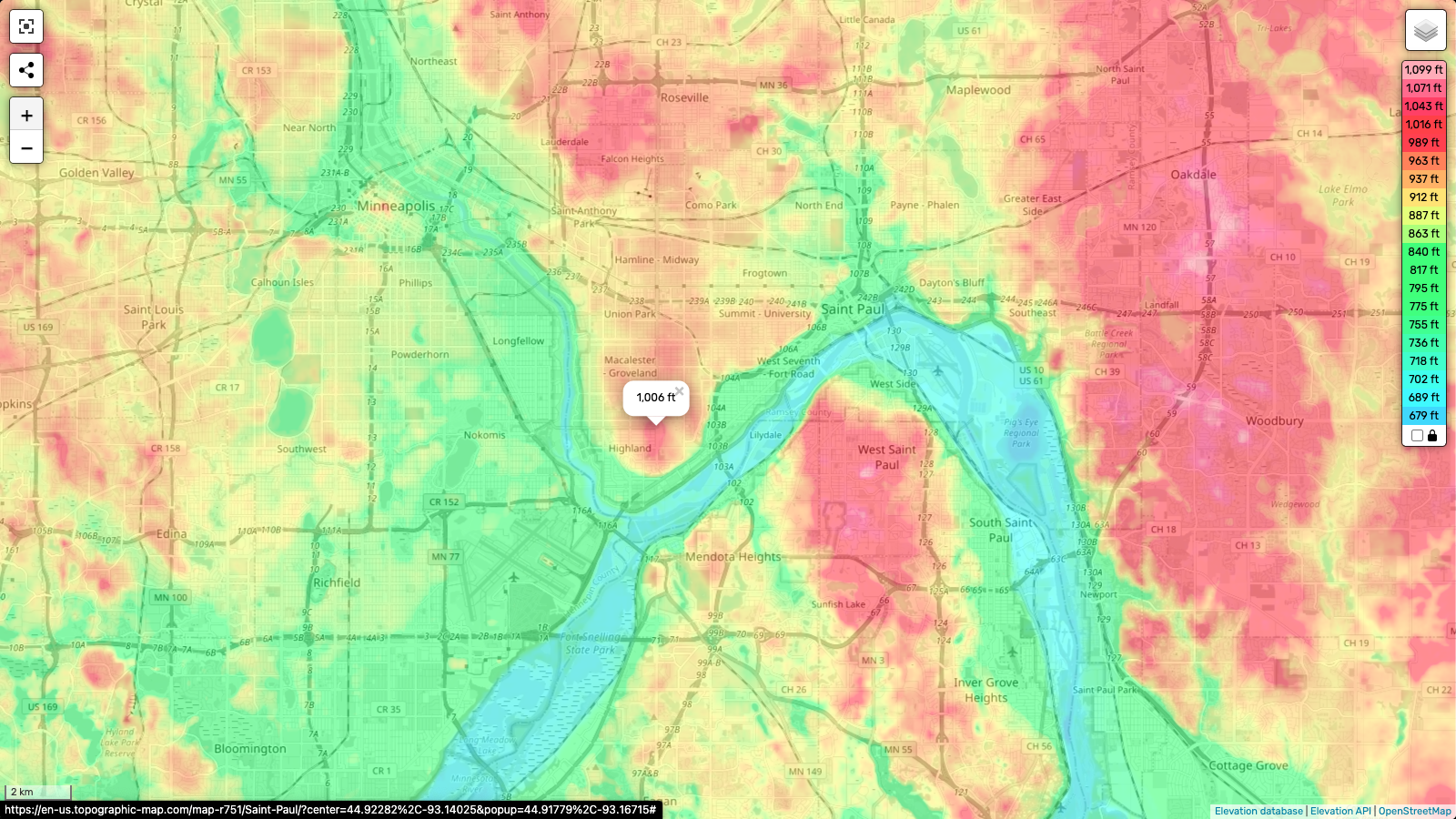
A few hams selected a location at the elevation and location that seemed to make sense for our needs for the event. We thought that the highland park area was probably the best bet to cover missing areas. We ran some tests one weekend in advance to make sure everything would work. Repeater coverage with a handheld went from nothing in some areas to ideal HT coverage. Highland park’s elevation helped give our antenna the height needed for coverage.
This is what we ended up with – a tower trailer in a parking lot re-arranging electrons.

Due to the Sun showing up for us, the whole operation was powered by the solar panels of the tower trailer. Our various equipment averaged out to 4 amps consumption (low TX power for duty cycle). We only measured about 70 watts of power from the aged solar panels, but that was still enough to run the whole thing and put some power back into the battery.

All in all, this was a fun and successful event and a validation of our investment in deployable ham radio infrastructure.
Tim – N0TJN
 Ham Radio Tower Trailers